- CALL US 01242 539 848

Gas, Grids, and Greenhouse Gasses - Legacy Fuels and the Energy Transition
Nov 22, 2025
By Cameron Barker - Communications and Marketing Lead
Introduction
While it is by no means ideal, the Transition to a sustainable world cannot, and will not, happen overnight. A quick look in a thesaurus will show you that the words evolution, progression, and transformation are listed as synonyms of the word transition; revolution, upheaval, or cataclysm are nowhere to be seen.
The Transition will by its very nature be relatively slow, involve constant change, and will see certain areas of our economies continue to grow (or at least continue at a similar rate) before declining and disappearing into the history books.
One of these areas, while also not ideal, is natural (i.e. fossil) gas.
The Need for Gas
Two major obstacles to the development of grids powered fully by green energy is the problem of intermittency and the need for baseload power.
Baseload power is the minimum quantity of electric power that needs to be supplied to (and by) an energy grid in order to meet continuous demand for power over a period of 24 hours. Neatly summarised by the North Central Electric Cooperative over in the US, baseload power accounts for most of the electricity we use, with always-available power sources being designed to constantly generate large amounts of power, and by extension ensure that consumers can access a reliable supply of electricity whenever needed.
Some sources of green energy are always there for us to use, and can help meet baseload requirements. After all, geothermal vents continuously generate heat, rivers and waterfalls will (almost) continuously flow, tides will always move in and out (assuming the moon doesn’t wander off), and gravity will always be there for us to use in hydroelectric dams.

However, these sources are not fully utilised by us as human beings, and with good reason, I should add. Sometimes barriers to their implementation are matters of availability, economics, or inadequate technology, but others are matters of ecology, or risks to human rights.
Other sources are being used more widely, and their development and deployment is only continuing to grow, but these sources are not available at all times, and herein lays the issue of intermittency. As has been said many, many times, the sun doesn’t always shine, and the wind doesn’t always blow. Trying to power Manchester using naught but solar panels, for example, might pose a problem.
This is where energy sources such as gas come in.
Burning natural gas generates fewer emissions than coal and oil, and can help to ensure that baseload energy requirements, as well as peaks in energy demand, can be met while we develop our green energy supply. In the mornings, for example, demand jumps as showers are turned on, kettles fired up, and coffee machines start their monotonous droning. The same happens in the evening, with households across the country demanding power for ovens, air fryers, lights, and TVs.
Generation of electricity from gas is easy to ramp up for such periods of high demand, whereas we cannot simply make the wind blow or the sun come out; we’re not yet at the stage where renewables can meet baseload and peak demand without help from legacy fuels such as gas and nuclear. We can reach this stage, but more on that later.
Limiting Impacts from Gas
While we continue to use gas during the Transition, we can still contribute to the Net Zero journey by working to minimise emissions associated with upstream operations (e.g. extraction), midstream operations (e.g. transportation), and even potentially end use (i.e. combustion).
Upstream
Upstream elements of the natural gas supply chain include activities such as drilling and extraction, and emissions from operations such as these can be reduced in a number of ways.
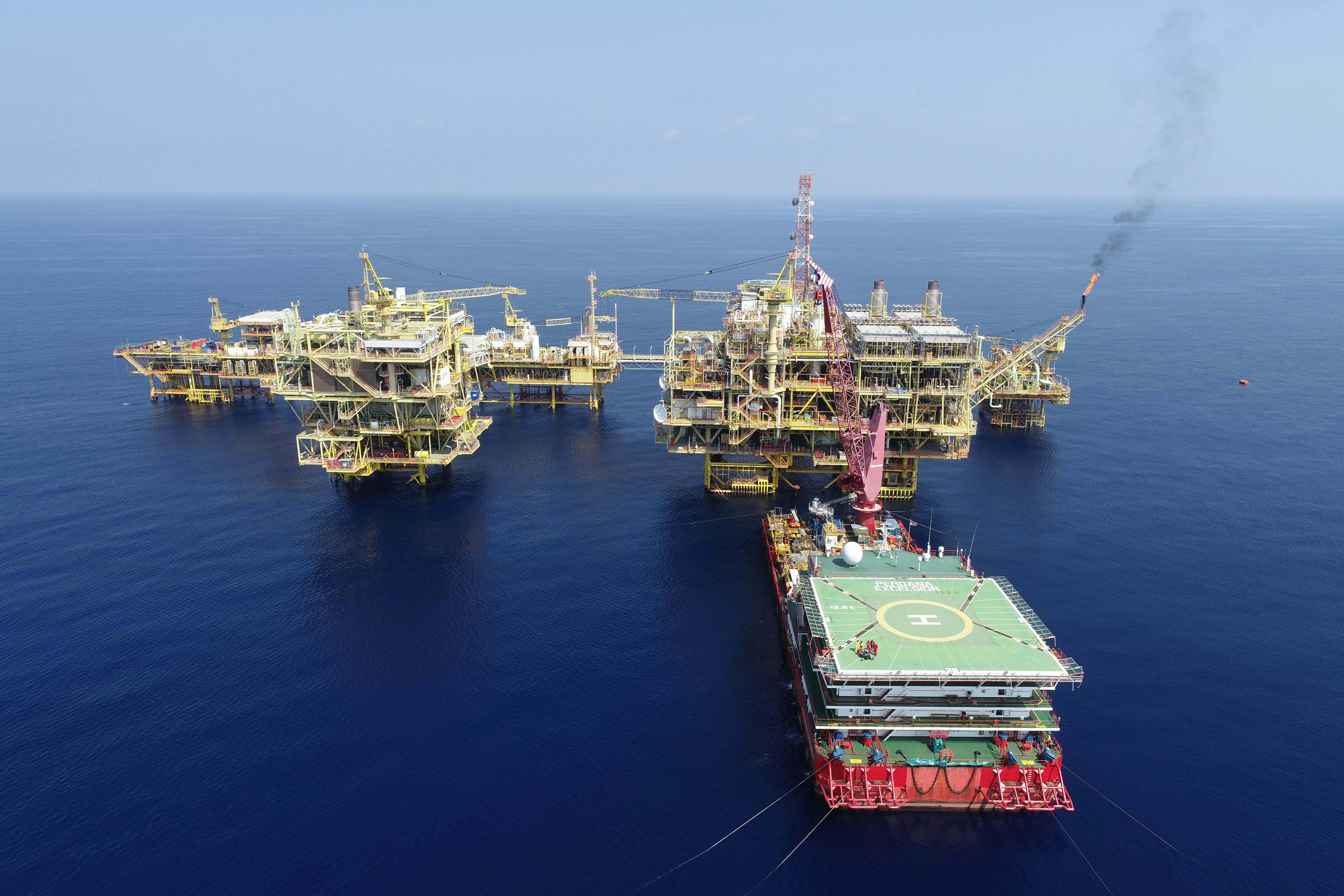
The first is by powering operations with renewable energy where possible. Like almost any industrial process, the extraction and processing of fossil fuels such as gas requires energy - machinery needs to run, IT systems need to function, and crews on rigs need heating and lighting. Some facilities can even be powered (at least partially if not completely) by self-generated green energy. Gas terminals and processing plants, for example, often cover large areas of land, and buildings at these facilities can potentially be fitted with solar panels.
The second is by aiming to maximise the energy efficiency of operations as much as possible. If the energy requirements of gas extraction and all the associated activities can be minimised as much as possible, this will work to reduce the overall emissions footprint of gas as a fuel, and/or leave more energy generated by renewable sources available for other uses. As with other business operations, and even domestic settings, this can be a case of installing more efficient lighting and heating systems, and utilising latest technology.
Midstream
Natural gas is predominately methane (CH4), which when combusted reacts to form CO2 and water vapour. CO2 is, of course, a major greenhouse gas, but its warming power is significantly lower than methane. As outlined by the European Commission, methane's global warming potential is 29.88 times that of carbon dioxide over a 100-year timeframe, and 82.5 times more on a 20-year timeframe.
This is why the International Energy Agency reports that addressing the issue of methane emissions is the single most important lever for limiting emissions in oil and gas operations. Transportation and distribution of natural gas is considered as a midstream activity, and a major source of methane emissions here is a simple one: leaks.
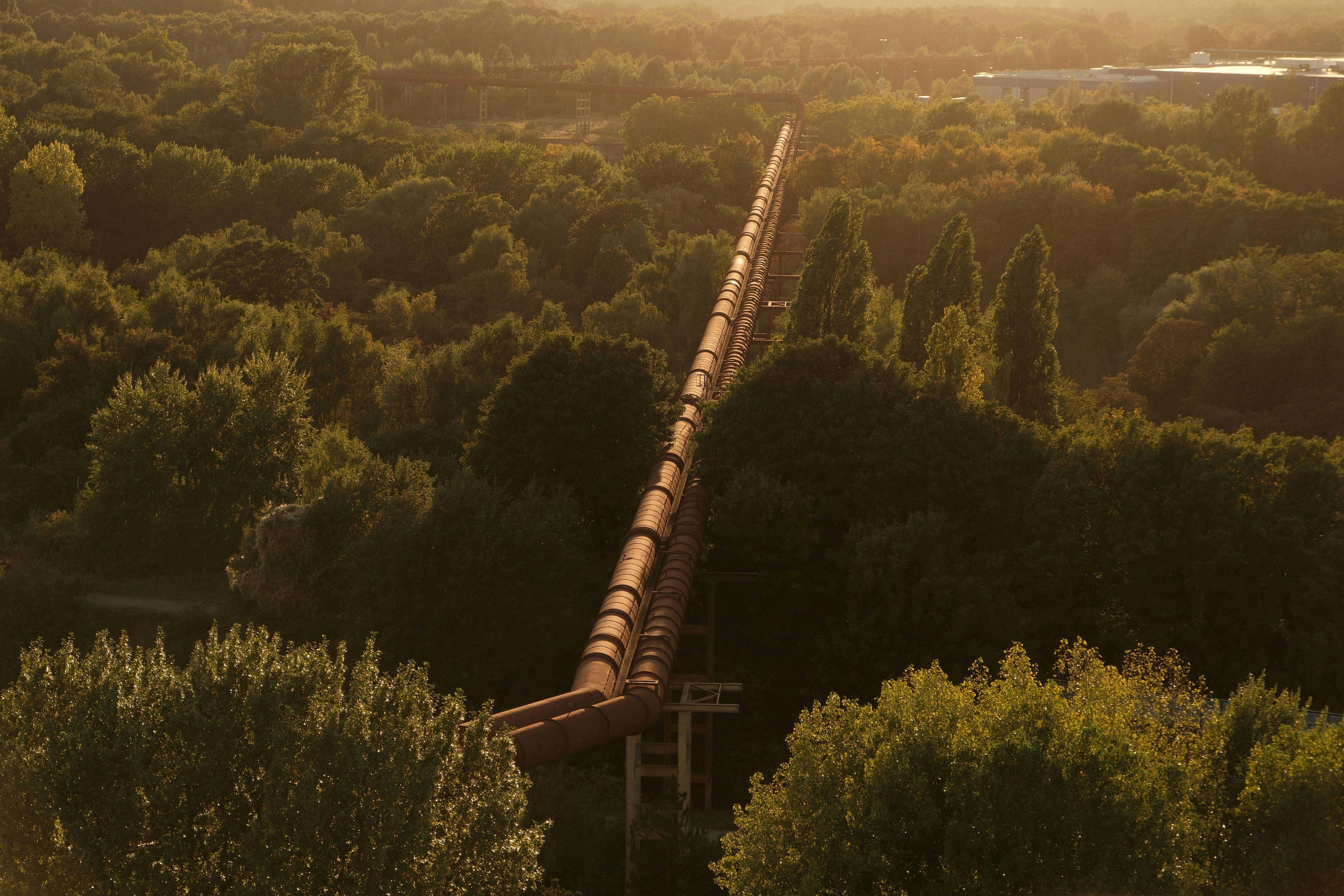
Like water pipelines, gas pipelines can become worn over time, and damaged by a range of external factors. Unlike their water-transporting cousins, however, leaks from gas pipelines pose a major risk to Net Zero efforts. Methane leaks are highly problematic as not only is fuel lost, but it is lost in a form that is more warming, and more fuel that would not otherwise be burned is needed. Effectively, there are emissions from leaks, and extra emissions from burning fuel required to make up for losses.
As such, a number of stakeholders (including investment firms) are engaging with companies that own and operate gas infrastructure on this very issue. Ensuring asset integrity is listed by McKinsey & Company as a decarbonisation lever for oil and gas assets, and in simple terms this means repairing and upgrading gas-related infrastructure such as terminals, processing plants, and pipelines in order to limit rouge emissions from leaks and other inefficiencies.
After all, if we need to use gas, we ought to ensure it is not wasted, and prevent unnecessary emissions.
End Use
In addition to limiting emissions from down and midstream gas operations, there is also scope to limit emissions at the very end of the chain - combustion.
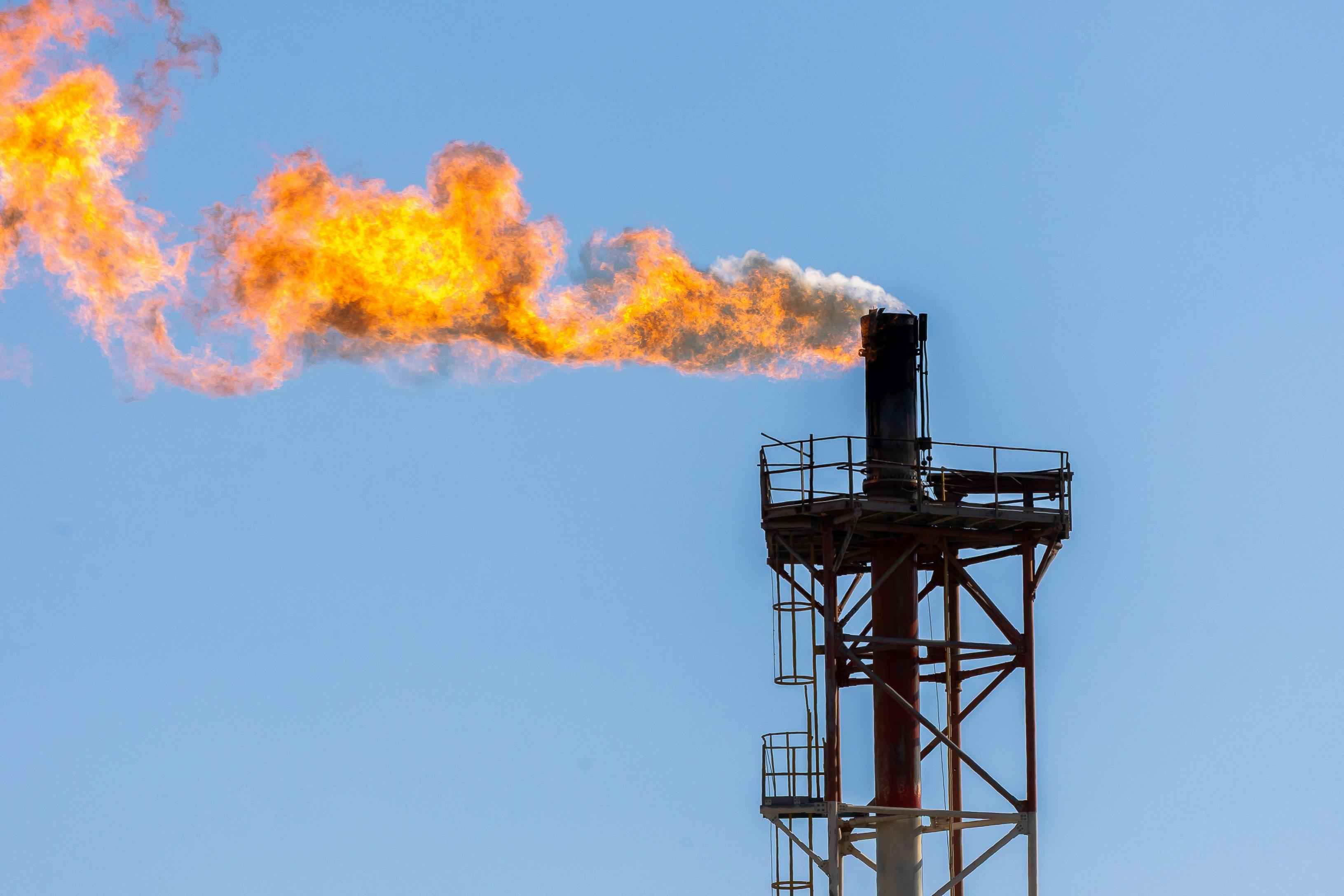
While it remains a controversial and relatively unproven tool, carbon capture and storage (CCS) can potentially prevent exhaust fumes from combustion being released as atmospheric emissions. It is often suggested that spaces left by depleted oil and gas reserves can be used as underground storage, with gasses generated by combustion being sent back along pipelines connected to these.
Moving to a Fossil-Free Future
As we progress with the energy transition, the use of natural gas should decline as production from renewables is ramped up, and other technologies and fuels are developed to help address the issue of intermittency and the need for baseload power demand to be met, even when wind and solar generation is low.
Battery storage is one such solution. By storing energy generated during periods of low demand (e.g. overnight), this can then be fed into energy grids and used to ensure demand is met during periods of high demand (e.g. mornings and evenings), or in periods where energy generation is reduced due to a lack of wind or sun.

Hydrogen is another potential solution to these issues, as electricity generated from renewable sources can also be effectively “stored” in this form. By powering a process known as electrolysis, electrical energy can produce hydrogen gas, which itself can be harnessed for energy. The chemical potential energy of hydrogen can be transformed into heat by means of combustion, and this heat can be used to power steam generators, and generate electricity. The only emission from this process is water.
Hydrogen can also be used as a fuel for non-electrified processes, such as gas-powered central heating in domestic and commercial settings, and in industrial processes where electrification is either impractical or impossible.
Providing that hydrogen is “green” or at least “blue” (i.e. created using natural gas where carbon is captured), then it holds the potential to play a role in decarbonising both electricity and gas grids around the world.
To Conclude
While gas continues to play a role in our modern energy systems, the Transition necessitates its phase-out. For now, we can rely on gas to keep our lights on (it is, after all, better than using coal for this purpose), but this cannot last forever. Fortunately, production of renewable energy generating assets across the globe is only increasing, and the tools we need to overcome the challenges associated with renewable sources of energy being developed
