- CALL US 01242 539 848

COP 30 - The Beginning of the End?
Nov 29, 2025
By Cameron Barker - Communications and Marketing Lead
Numerous delegates and commentators came away from COP 28 in Dubai and COP 29 in Azerbaijan with concerns regarding the effectiveness of the COP process. COP 30 has proved to continue this trend, and so it begs the question - is this the beginning of the end for COP?

Indigenous Anger and Suppression
The decision to hold this year’s COP in the heart of the Amazon was a deliberate choice by Brazil, and one loaded with symbolism, but equally symbolic (and nothing short of striking) was the anger expressed by indigenous communities, and the subsequent suppression of their voices.
A Just Transition requires the inclusion of all voices, and it’s no secret that indigenous populations are some of the best placed to help protect and restore the natural environments that are crucial for carbon sequestration. It was surprising, then, to see numerous environmental and human rights-focused groups accuse UN climate chief Simon Stiell of aiming to silence indigenous groups that held protests at the COP venue.

Not only is this morally deplorable (let us not forget that indigenous peoples are among those most likely to be severely impacted by climate change), but it also feels akin to self-sabotage. Indigenous peoples possess immeasurable wisdom and experience regarding how to live in harmony with natural environments, and denying them access to platforms means that this wisdom is far less likely to be considered in the decision-making processes which will impact us all in the years to come.
If the COP process doesn’t encourage the active sharing of views, knowledge, and experience of all peoples, what is its purpose? Many are concerned that, in its current form, it appears to be not much more than a platform for lobbyists employed by companies who wish to maintain the status quo.
No Fossil Fuel Phaseout
The final agreement of this years’ COP contained no clear references to phasing out fossil fuels. The irony here would make for great comedy, if not for the seriousness of the situation - nations attending a conference designed to help address climate change failing to reach an agreement on dialling back the primary driver of climate change. Even the characters of The Thick of It would struggle to spin that one.
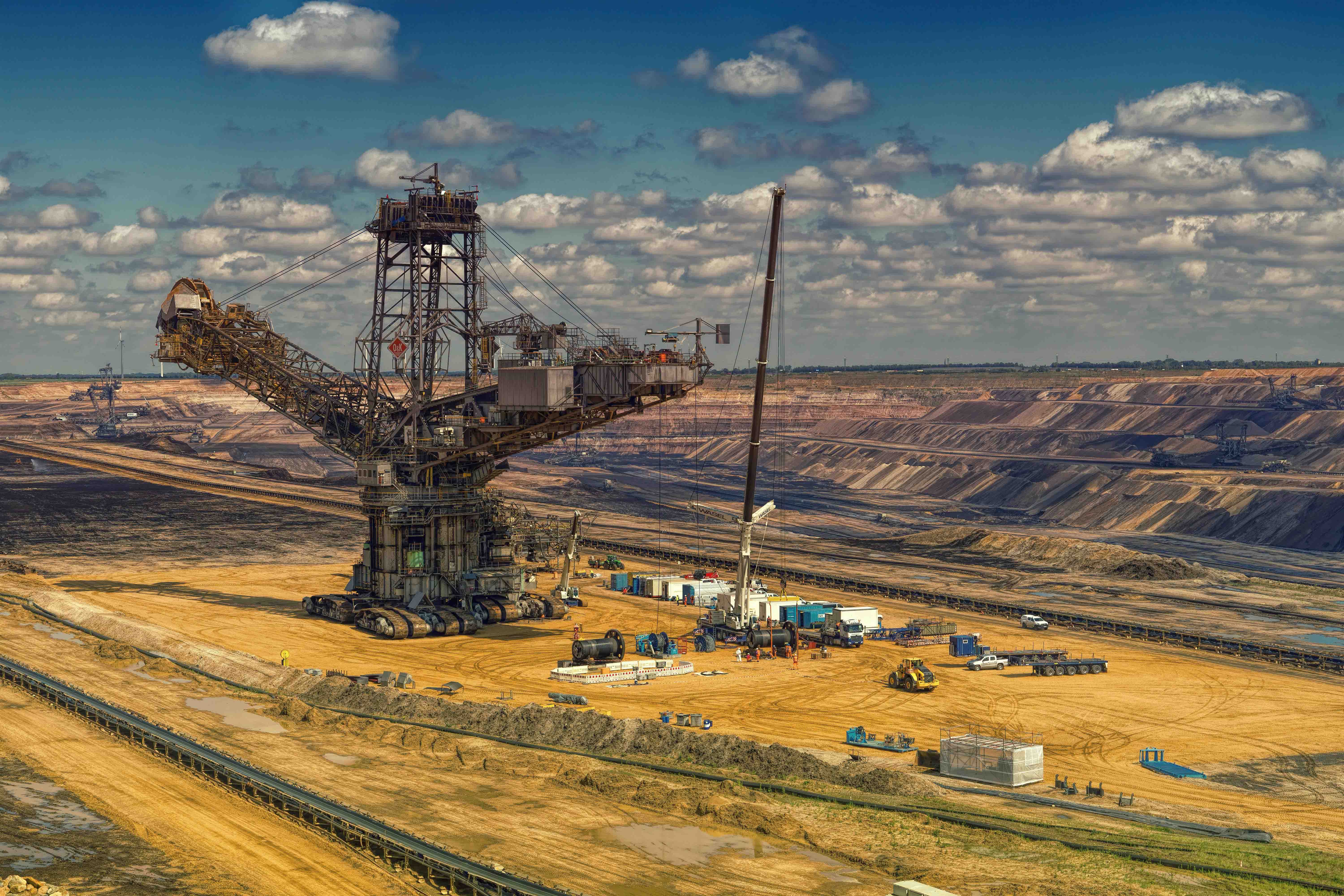
As mentioned above, concerns regarding the influence of lobbyists in the COP process are growing, and for those who are calling for reform of the COP process, this failure is another warhead in their already significant arsenal. Global Witness for example found that over 1,600 fossil fuel lobbyists were granted access to COP 30, accounting for 1 in every 25 participants, and the Center for International Environmental Law (CIEL) reported that 531 lobbyists representing the carbon capture and storage industry were also in attendance. With those numbers, the fact that the final agreement text contained no real reference to fossil fuels is almost unsurprising.
The Future of COP and the Role of Responsible Investors
So, if growing numbers are calling for reform of COP, what could the future look like, assuming there is a future for COP at all? A natural first step that has been suggested is to prevent lobbyists from attending future conferences, and by extension try to prevent what Lien Vandamme, senior campaigner on human rights and climate change at the CIEL, described to The Guardian as “corporate capture”.

A second proposed change is to shift away from the consensus model applied at COPs. As summarised here by Dr Joanna Depledge (writing for Carbon Brief), no “last resort” voting rule was agreed in COPs’ infancy, and that the consensus model is therefore the default, de facto mechanism for agreeing final decisions. This has caused issues throughout COP’s history in that decisions have been blocked by a small number of nations (often those with economies built on fossil fuels), despite support by the vast majority of delegates.
The introduction of a majority voting model would prevent this issue from occurring, but this is by no means a simple task. If COP is to continue within its existing legal mandate and framework (established under the 1992 UN Framework Convention on Climate Change), consensus would likely be required for a new system to be introduced. The alternative would be to establish a new legal mandate, and then build a new COP-style system with a different governance framework, but this would take time that we do not really have.
As for the role of responsible investors, this will remain the same, though perhaps with a little more urgency. Investment managers, fund managers, advisers, and others within our world might not have a seat at the political negotiating table (and nor perhaps should we), but we have the ability and the duty to show companies, leaders, and others around the world that we manage money on behalf of our clients, and that our clients (who are growing in number and conviction) want to invest for a better future.
The fossil fuel and big-ag industries, along with the lobbyists on their payroll, have influence on the world and its leaders, but so do we.
